Verdict
War Thunder's core vehicle combat — tanks, planes, and ships across a genuinely staggering tech tree — remains some of the best in the genre, detailed and rewarding for players who put in the study time. But over a decade in, matchmaking frustrations, brutal uptiers, overtuned premium vehicles, and a grind that increasingly nudges toward spending have worn down a lot of the goodwill the core game earns.
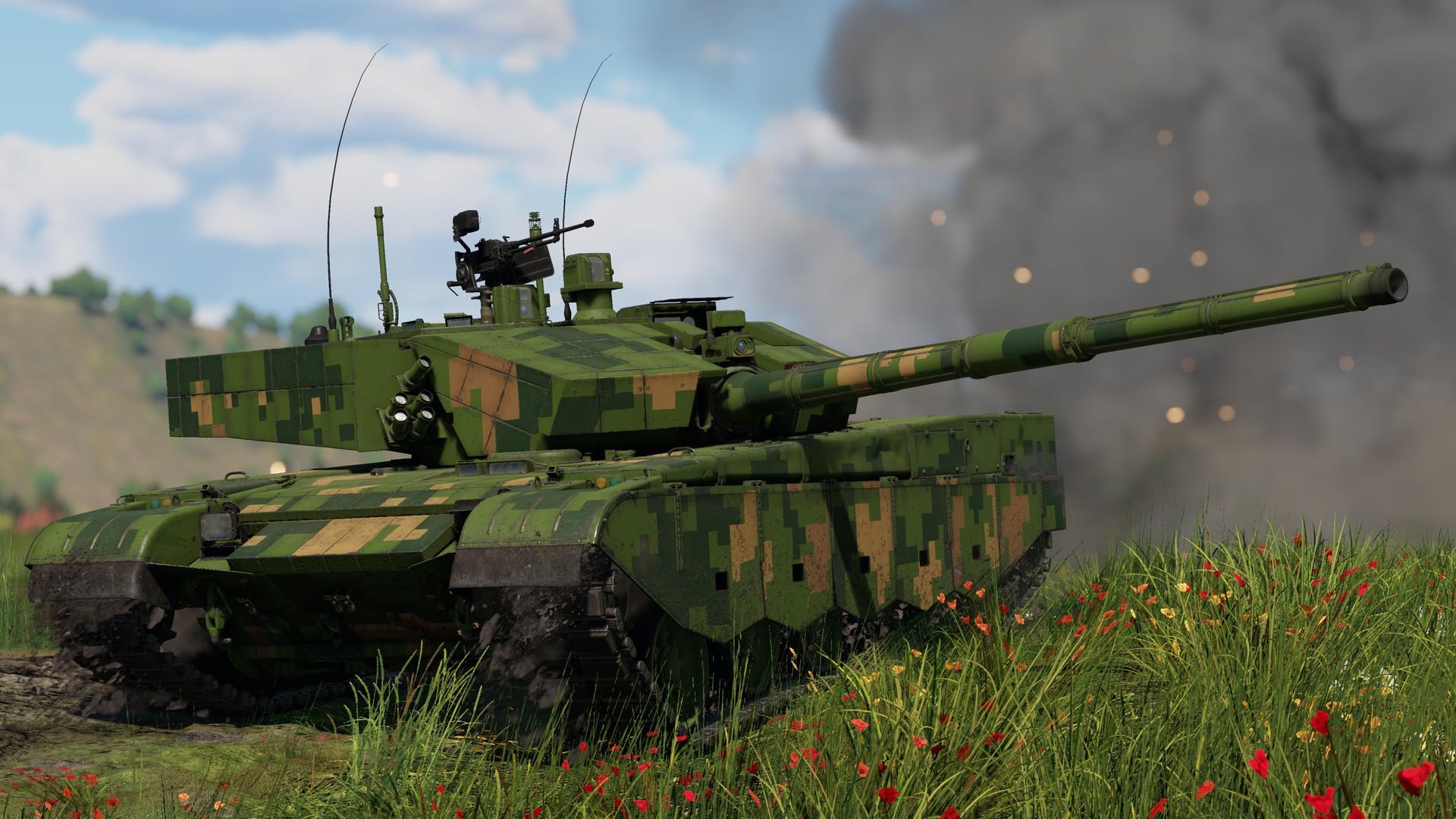
War Thunder has been around long enough to have outlived several genre trends, and it's still one of the only games that lets you strafe a tank column with a fighter plane, get sunk by a destroyer, and lose all three vehicles in a single afternoon session. That combined-arms ambition is the reason it's still worth talking about in 2026. It's also, increasingly, not the reason people are frustrated with it — that's almost entirely down to what surrounds the combat rather than the combat itself.
The fighting is still the best part
At its core, War Thunder remains a genuinely impressive vehicle combat simulator. Damage modeling accounts for individual components, ammunition detonation, crew incapacitation, and armor angling in a way that rewards players who actually study their vehicles rather than just point-and-click. Flight models and ballistics carry real weight. When a match comes together — infantry-scale positioning with tanks, air support timed right, naval forces controlling a flank — it produces the kind of emergent, chaotic, memorable moments that few other games in this space can replicate. Nothing else on the market offers quite this scale of combined-arms play with this level of vehicle fidelity, and that's still true more than a decade after launch.
The tech tree itself is staggering in scope, spanning dozens of nations across ground forces, aviation, and naval vessels, with Gaijin continuing to push regular content updates that keep the roster from feeling stale. If you're the kind of player who enjoys the process of research and unlock progression as much as the fighting itself, there's a genuine wealth of content here that few competitors can match.
The matchmaking problem that won't go away
Here's the persistent complaint that follows War Thunder across every platform and every era: matchmaking regularly produces lopsided, frustrating battles. Players consistently report being "uptiered" into matches against significantly stronger opposition, turning what should be tactical engagements into one-sided losses that feel more like punishment than competition. At the highest tiers, this can curdle combat into something closer to missile-spam attrition than the deliberate, skill-rewarding play the core systems are built to support.
This isn't a new complaint — it's one of the longest-running criticisms in the game's history — but it hasn't meaningfully improved, and it colors the experience more than the marketing around new vehicle releases tends to acknowledge.
The grind, and where it starts pushing toward your wallet
War Thunder is free-to-play, and like most vehicle-progression games in this space, that means the climb through the tech tree is engineered to be long. On its own, that's a defensible design choice — the research grind gives meaning to unlocks. The problem is how the economy interacts with premium vehicles and boosters: several of these premium options are meaningfully overtuned relative to their tech-tree equivalents, which creates real pressure to spend if you want to stay competitive rather than just progress at your own pace. Combined with the uptier problem above, a free player without premium time or a premium vehicle can find themselves fighting an uphill battle on two fronts simultaneously — one against better-equipped enemies, one against their own progression curve.
Population issues in the margins
It's worth flagging something less discussed but increasingly visible: population thinning in certain modes and time windows has led to matches padded out with bots to hit lobby minimums, particularly in modes like Air Arcade outside peak hours. It doesn't ruin the core experience, but it's a signal that the game's long tail isn't as healthy in every corner as its headline player counts might suggest.
Who War Thunder is still right for
If you're drawn to the idea of deeply simulated vehicle combat and you're willing to invest the study time to actually understand armor angles, energy management in dogfights, and naval positioning, War Thunder still delivers something genuinely unmatched. If you're looking for a fair, casual, drop-in session without a grind or matchmaking frustration hanging over it, this isn't the game for that anymore — and arguably hasn't been for a while.
Verdict: 6.8/10
War Thunder's foundation — the vehicle modeling, the combined-arms scale, the sheer breadth of its tech tree — remains genuinely excellent and largely unmatched in the genre. But more than a decade in, the systems built around that foundation haven't kept pace: matchmaking still produces frustrating mismatches, the grind increasingly leans on premium purchases to soften, and population gaps show in the margins. It's a great combat sim wrapped in a free-to-play economy that too often works against the experience it's selling.
Pros
- Vehicle handling and damage modeling are still unmatched in detail and realism
- Enormous tech tree spanning ground, air, and naval forces across dozens of nations
- Combined-arms battles create emergent, memorable moments nothing else replicates
- Regular content updates keep the vehicle roster and maps genuinely fresh
Cons
- Matchmaking frequently produces lopsided uptiers against stronger opponents
- Grind is heavy enough that premium vehicles and boosters create real pay-to-progress pressure
- Lower-population queues and time slots increasingly rely on bot-filled lobbies
- Top-tier play can devolve into missile-spam rather than tactical engagement