Verdict
NTE is one of the most ambitious gacha releases in years, stitching together a city sim, a driving game, and anomaly-hunting combat into a single world. It doesn't master every system it borrows from, and the fights themselves are the weakest link, but the player-friendly pull model and sheer density of things to do make it worth the download for anyone tired of games that only do one thing.
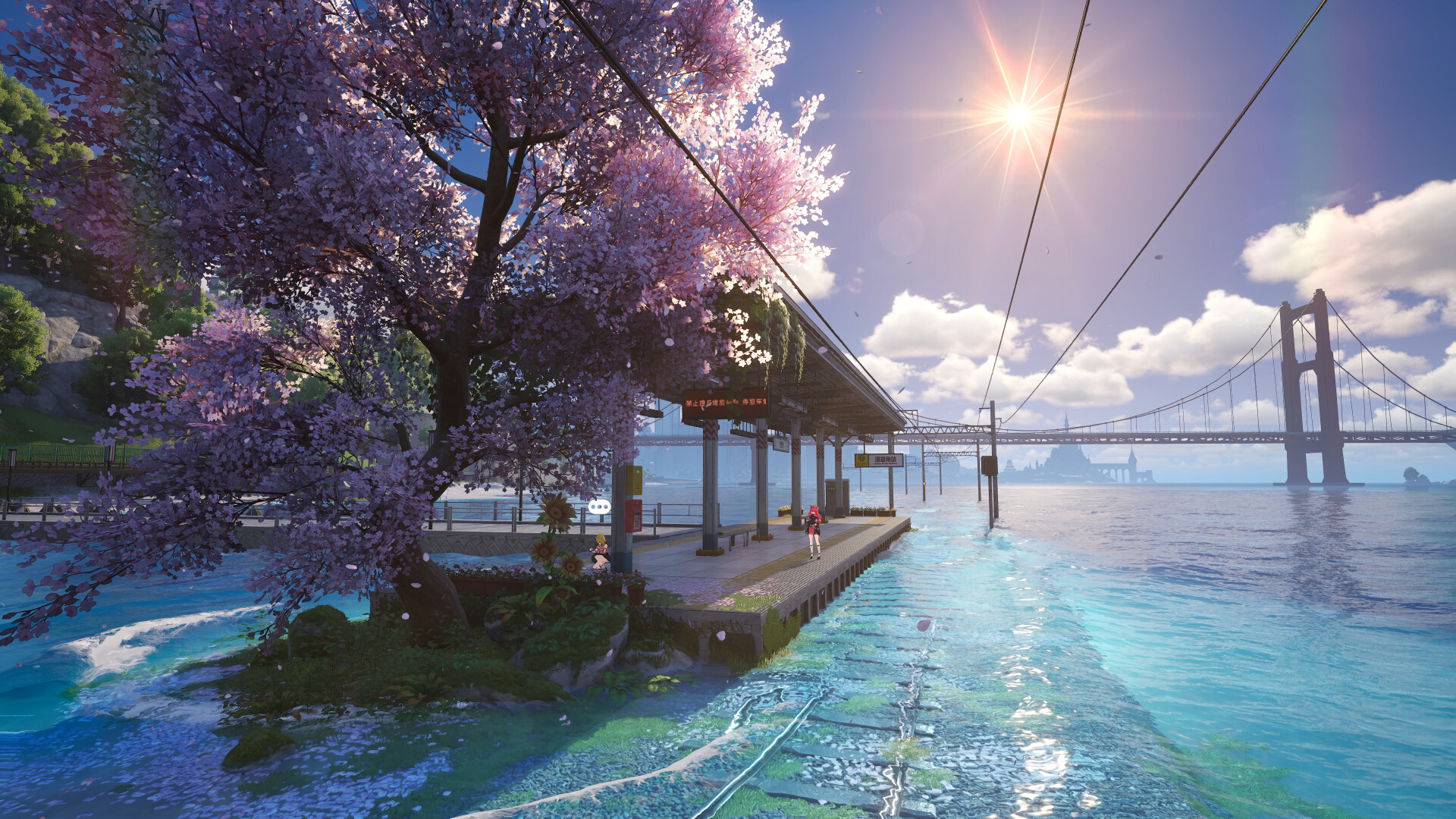
Hotta Studio built its reputation on Tower of Fantasy, a game that never quite decided what it wanted to be but stuck around anyway. NTE: Neverness to Everness feels like the studio's answer to that ambiguity: instead of picking a lane, it builds five of them and merges traffic at full speed. Over two weeks logging hours in Hethereau — running a café, fishing off a pier, chasing down anomalies with a squad of gacha-pulled operatives — the ambition is obvious. What's less obvious, at least early on, is whether all of it was worth building.
The elevator pitch nobody else is making
NTE isn't a single game wearing a gacha coat of paint. It's closer to four or five smaller games sharing one open-world city. The headline system is City Tycoon: you rent apartment buildings, run a café that generates passive income, and watch numbers tick up while you're off doing something else entirely. Layer on driving mechanics for getting across Hethereau, a fishing minigame that's more substantial than it has any right to be, and narrative-driven "anomaly hunting" sequences that function as the game's dungeon-crawling backbone, and you get a sandbox that rewards curiosity more than it rewards grinding a single loop.
This is the game's clearest strength. Where most gacha RPGs ask you to log in, clear dailies, and log out, NTE gives you enough side systems that a play session can look completely different depending on your mood. Want to just manage your café empire for twenty minutes? Fine. Want to go fish? Also fine. It's the kind of structural variety that live-service games talk about wanting and rarely deliver.
Combat: the weakest link in a strong chain
Here's the uncomfortable part: the anomaly-hunting combat — the system that's supposed to be the emotional core of a gacha RPG, the thing that makes you care about pulling new characters — is the least interesting part of NTE. Fights resolve quickly, animation feedback is flashy but shallow, and enemy variety doesn't demand much tactical adjustment once you've found a comfortable rotation. It works. It's rarely more than that.
This matters more than it might in a pure city-builder because NTE's gacha economy is built around characters, and characters are ultimately justified by combat. When the fighting itself doesn't showcase what makes a new operative worth pulling for, the incentive to engage with the gacha loop weakens. The game is betting that its other systems carry enough weight to compensate — and for a lot of players, they do. But if you came to NTE expecting Genshin-tier combat depth, you'll be disappointed.
Monetization done right — genuinely
This is where NTE separates itself from most of the competition, and it deserves real credit. The limited character banner has no 50/50 coin-flip: hit pity and you get the character you were pulling for, full stop. Combine that with a generous free-pull allotment at launch, and NTE currently offers one of the lowest-risk pull structures in the genre. Big spenders are courted through cosmetic outfit milestones at 50, 120, and 200 pulls on limited banners rather than through power-gating characters behind punishing rates — a distinction that matters enormously for how the game feels to play free.
Steam reviews reflect this: player sentiment sits at "Very Positive," even as the PS5 version's Metacritic score of 73 signals a more mixed critical reception focused on production polish rather than the business model. That gap between player goodwill and critic scoring tells its own story — this is a game whose systems reward the people actually spending time in them more than it impresses people evaluating it from a review checklist.
Where the seams show
NTE's ambition creates real friction. Menu navigation across five overlapping systems is genuinely cumbersome in the early hours — expect to get lost in submenus more than once before the UI clicks. The mid-game story arc sags noticeably, with pacing that seems designed around drip-feeding content updates rather than sustaining narrative momentum. And the character roster, while stylish, distributes power and utility unevenly enough that a handful of units clearly outclass the rest in current team compositions — a common gacha problem, but one NTE hasn't solved any better than its peers.
Who NTE is actually for
If you want a tightly focused action RPG with best-in-class combat, look elsewhere — Endfield or Genshin will serve you better on that front. But if you're the kind of player who enjoys sandbox busywork, likes having five different things to fiddle with in a single session, and appreciates a gacha system that doesn't punish you for pulling wrong, NTE earns its download. It rewards patience with its systems more than it rewards skill in its fights, and that's an unusual but not unwelcome trade in a genre that too often asks for both without delivering either well.
Verdict: 7.4/10
NTE: Neverness to Everness is a genuinely ambitious swing that connects more often than it misses. The city sim, driving, and fishing systems give Hethereau a density most open-world gacha games can't match, and the pull system is about as player-friendly as this genre gets. But the combat that's supposed to anchor everything else feels thin, the UI needs real refinement, and the story stumbles through its middle act. It's a promising foundation rather than a finished masterpiece — worth playing, worth rooting for, not yet worth calling essential.
Pros
- Genuinely generous gacha system — no 50/50 loss on limited banners
- City Tycoon management loop gives idle progress real purpose
- Hethereau is dense, alive, and rewarding to just wander around in
- Strong art direction and a soundtrack that carries weaker story beats
Cons
- Combat lacks depth and rarely escalates past 'mash the flashy button'
- Menu navigation is cluttered and unintuitive early on
- Mid-story pacing sags hard around the second major arc
- Character roster distribution feels uneven, with some kits clearly favored